
HELPFUL INFORMATION

Defensive Driving in BC: Essential Skills for Safer Roads
Build safer habits. Recognize hazards. Make confident decisions behind the wheel.
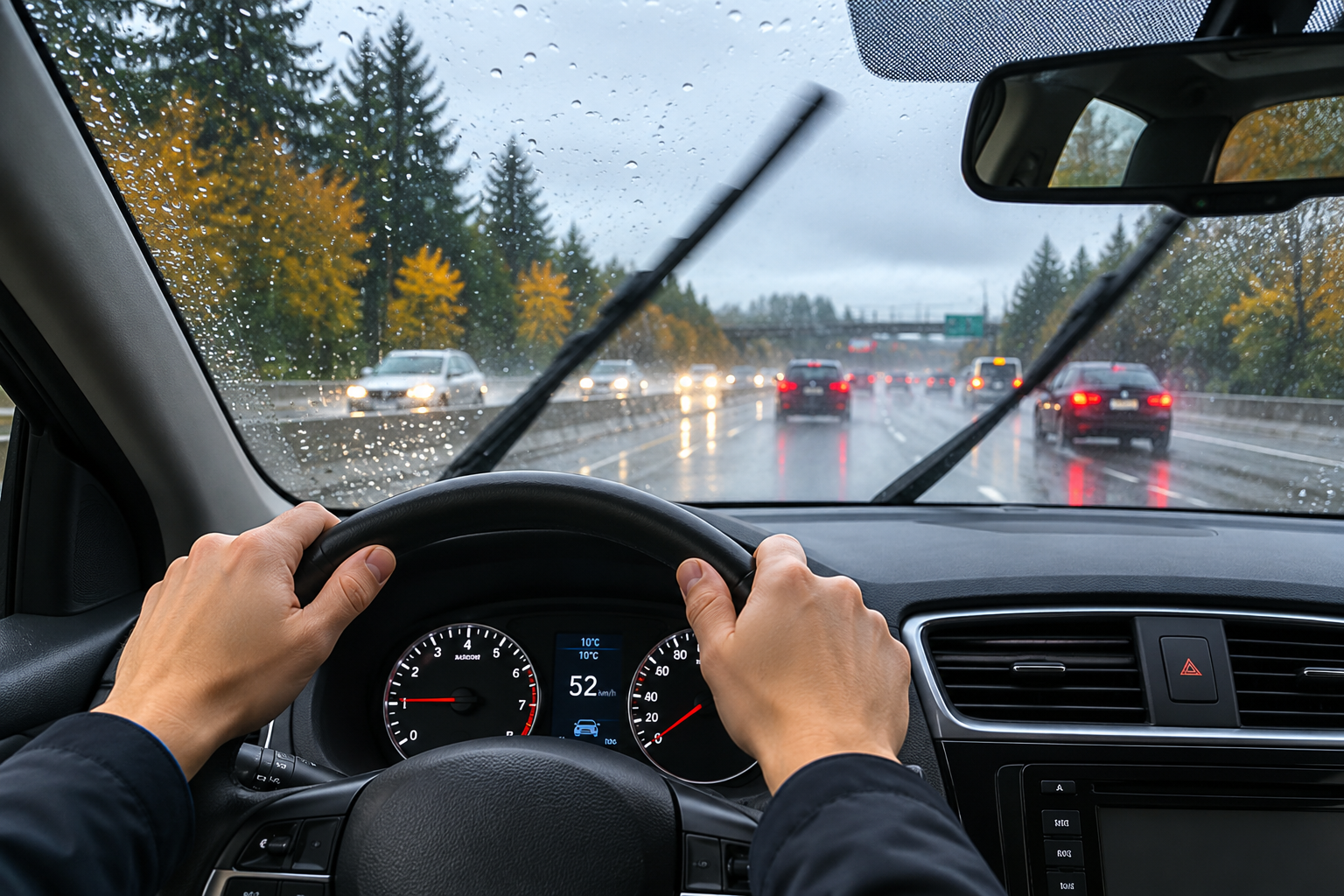
Safe driving begins long before a dangerous situation occurs.
From busy Surrey intersections to rainy highways across British Columbia, defensive driving helps motorists anticipate risks, maintain safe distances, and make responsible decisions.
At Taurus Driving School, we believe understanding why we make certain decisions behind the wheel is just as important as knowing how to drive.
Discover essential defensive driving techniques, Canadian road safety information, and practical tips to become a safer, more confident driver.
Read the Full Article
What Is Defensive Driving?
Defensive driving means staying alert, anticipating potential hazards, and making safe decisions before dangerous situations develop.
Rather than simply following traffic rules, defensive drivers observe their surroundings and prepare for unexpected situations.
For example, even when approaching an intersection with a green light, a defensive driver watches for pedestrians, cyclists, and vehicles that may not stop.
The goal of defensive driving: Recognize risks early and take action to help prevent collisions.
Why Defensive Driving Matters in Canada
Driver behaviour plays an important role in road safety. Distraction, excessive speed, poor judgment, and failure to recognize hazards can contribute to collisions.
Canadian Road Safety Research
Transport Canada has identified human behaviour as an important contributing factor in fatal road collisions. This highlights the value of awareness, responsible decision-making, and safer driving habits.
Why Defensive Driving Is Important for Teenagers and New Drivers
Teenagers and new drivers are still developing their driving experience. Limited experience, distractions, peer pressure, and overconfidence can increase their exposure to risky situations.
According to ICBC's youth road safety information, an average of 27 young people aged 16–21 were killed in crashes annually in British Columbia, based on 2020–2024 data. This includes young drivers and passengers.
Common risky behaviours include:
- Speeding or driving too fast for conditions
- Using phones or becoming distracted
- Following other vehicles too closely
- Overestimating driving abilities
- Making unsafe decisions due to peer pressure
Developing defensive driving habits early helps new drivers recognize risks and make safer decisions.
7 Essential Defensive Driving Tips Every New Driver Should Learn
1 Scan the Road Ahead
Look beyond the vehicle directly in front of you. Watch intersections, pedestrians, cyclists, parked vehicles, and changing traffic conditions.
Regularly check your mirrors and surroundings to recognize hazards early.
2 Maintain a Safe Following Distance
Leave enough space between your vehicle and the one ahead. Under normal conditions, use at least a three-second following distance.
Increase that distance in rain, snow, or poor visibility.
3 Avoid Distractions
Phones, music, conversations, and other distractions can reduce concentration.
Put your phone away, adjust your mirrors before driving, and keep your attention on the road.
BC learner and novice drivers must follow graduated licensing electronic-device restrictions.
4 Adjust Speed to Road Conditions
Rain, fog, snow, and heavy traffic can make driving more challenging.
Slow down when necessary, increase following distance, and avoid sudden braking or steering.
The posted speed limit is not always the safest speed for current conditions.
5 Check Blind Spots
Mirrors do not show everything around your vehicle.
Before changing lanes, check your mirrors, signal, perform a shoulder check, and move only when safe.
6 Anticipate Other Drivers' Mistakes
Another driver may suddenly brake, change lanes, or fail to yield.
Stay prepared by observing traffic, maintaining space, and avoiding unnecessary risks.
7 Stay Calm Behind the Wheel
Heavy traffic and delays can be frustrating. Aggressive driving, tailgating, and sudden lane changes increase collision risks.
Stay patient, give other drivers space, and focus on arriving safely.
How Professional Driving Lessons Support Defensive Driving
Parents and family members play an important role in helping teenagers learn to drive. Professional driving instruction can complement this practice through structured lessons and feedback.
At Taurus Driving School, our one-on-one lessons focus on:
- Hazard recognition and awareness
- Safe intersection and lane-changing skills
- Proper mirror and shoulder checks
- Speed control and following distances
- Responsible decision-making
- Confidence in real traffic situations
Our instructor, Najam, works with students at their individual learning pace, helping them understand both how to drive and why safe driving decisions matter.
Passing the ICBC road test is an important milestone, but developing safe driving habits is a lifelong goal.
What Parents Can Do to Encourage Safe Teen Driving
Parents can help teenagers develop responsible driving habits by:
- Setting a positive example on the road
- Encouraging regular supervised practice
- Discussing distractions and peer pressure
- Establishing clear family driving rules
- Supporting professional driver education
Defensive Driving Is a Lifelong Skill
Whether you're navigating busy Surrey intersections, travelling through Langley, or driving on rainy Lower Mainland highways, defensive driving helps you recognize hazards and make safer decisions.
At Taurus Driving School, our goal is to help students develop the awareness, confidence, and responsibility needed for everyday driving.
Sources and Further Reading
Ready to Become a Safer Driver?
Learn with Taurus Driving School. We offer professional one-on-one driving lessons in Surrey, Langley, White Rock, North Delta, and surrounding communities.
Your trusted partner on the road.
Book Your Driving Lesson Today10 Common ICBC Road Test Mistakes to Avoid in BC
Learn what can go wrong during your road test and how to develop safer driving habits.
Preparing for your ICBC road test? Knowing what to avoid can help you drive more confidently and safely.
Taking your ICBC road test is an important step toward becoming a licensed driver. Whether you're preparing for a Class 7 road test in Surrey, Langley, Burnaby, or elsewhere in British Columbia, understanding common driving mistakes can help you prepare more effectively.
In an official ICBC interview published in May 2019, driver examiner Jerry Boal discussed common errors, including insufficient observation, missed shoulder checks, poor speed management, and parking mistakes.
At Taurus Driving School, we believe road test preparation is about more than passing an exam. It's about developing safe driving habits for life.
1. Missing Shoulder Checks and Blind Spots
Failing to perform proper shoulder checks is a common road test mistake. ICBC's driver examiner emphasizes the importance of checking blind spots, particularly before turning right, changing lanes, or moving away from the curb.
How to avoid it: Check your mirrors, perform the appropriate shoulder check, and confirm that the space is clear before moving.
Read the Full Article — All 10 Mistakes
10 Common ICBC Road Test Mistakes and How to Avoid Them
2 Failing to Come to a Complete Stop
Rolling through a stop sign instead of stopping completely can seriously affect your road test performance.
How to avoid it: Stop completely at the correct position, check for pedestrians and traffic, and proceed only when safe.
3 Speeding or Driving Too Slowly
Speed management is an important skill assessed during an ICBC road test. Driving above posted limits, particularly in school and playground zones, can create serious risks.
Driving unnecessarily slowly can also interfere with traffic flow.
How to avoid it: Follow posted speed limits, watch for school and playground zones, and adjust your speed for weather and traffic conditions.
4 Poor Observation at Intersections
Some learners focus only on traffic lights and forget to scan for pedestrians, cyclists, or approaching vehicles.
How to avoid it: Scan intersections carefully, check for hazards, and proceed only when it is safe.
5 Unsafe Lane Changes
Changing lanes without proper signalling, observation, or sufficient space can create dangerous situations.
How to avoid it: Check mirrors, signal, perform a shoulder check, and move smoothly when a safe gap is available.
6 Failing to Yield the Right of Way
Failing to yield to pedestrians, cyclists, or other vehicles when required can result in serious safety concerns.
How to avoid it: Understand right-of-way rules, observe carefully, and never assume another road user will stop for you.
7 Poor Parking Observation
Parking mistakes are not always about vehicle positioning. In ICBC's examiner interview, Jerry Boal identifies insufficient observation and missing 360-degree checks during parking as common errors.
How to avoid it: Check all around your vehicle before reversing and continue observing throughout the manoeuvre. Look in your direction of travel.
8 Following Other Vehicles Too Closely
Tailgating reduces reaction time and increases the risk of collisions.
How to avoid it: Maintain at least a three-second following distance in favourable conditions and increase it when roads are wet or slippery.
9 Poor Turning and Steering Control
Turning too wide, cutting corners, or failing to maintain proper lane positioning can affect road test results.
How to avoid it: Approach turns at a safe speed, check your surroundings, steer smoothly, and remain in the correct lane.
10 Letting Nervousness Affect Your Driving
Road test anxiety can cause learners to rush, hesitate unnecessarily, or forget observation routines.
How to avoid it: Practise regularly, arrive prepared, and focus on safe driving. Ask for clarification if you don't understand an instruction.
How Professional Driving Lessons Can Help You Prepare
Professional driving lessons can help learners identify unsafe habits, improve driving techniques, and build confidence before their test.
At Taurus Driving School, our personalized lessons focus on:
- Proper mirror and shoulder checks
- Safe intersections and lane changes
- Speed management and following distances
- Parallel parking and reverse stall parking
- Hazard awareness and defensive driving
- Confidence in different traffic situations
Our instructor, Najam, provides patient, one-on-one guidance to help learners understand how to drive safely and why each decision matters.
Frequently Asked Questions About ICBC Road Tests
What are the most common mistakes on an ICBC road test?
Common mistakes include missed shoulder checks, incomplete stops, poor speed management, unsafe lane changes, and insufficient observation.
Can you fail an ICBC road test for missing a shoulder check?
Yes. Missing a required shoulder check can affect your assessment, particularly when it creates an unsafe situation. The outcome depends on the circumstances and overall performance.
How can I prepare for my ICBC road test in Surrey?
Practise regularly, review BC traffic rules, improve observation habits, and gain experience in different traffic conditions. Professional driving lessons can help identify skills that need improvement.
How many driving lessons do I need before my road test?
The number depends on your experience, confidence, and current driving skills. Some learners need refresher lessons, while beginners may benefit from more structured practice.
Final Thoughts: Safe Driving Comes First
Avoiding common ICBC road test mistakes starts with developing consistent driving habits and understanding safe decision-making.
Whether you're preparing for a road test in Surrey, Langley, Burnaby, or another BC community, regular practice and proper preparation can help you become a safer driver.
Passing your road test is an important milestone, but safe driving is a lifelong responsibility.
Sources and References
- Insurance Corporation of British Columbia (ICBC). (May 15, 2019). Interview with a Driver Examiner. Interview with Jerry Boal.
- ICBC. Learn to Drive Smart: Your Guide to Driving Safely.
- ICBC. Tuning Up for Drivers: Getting You Ready for Your Road Test.
Road test requirements and assessment criteria are determined by ICBC. Not every mistake automatically results in an unsuccessful road test.
Prepare for Your ICBC Road Test with Taurus Driving School
Build confidence, improve your driving skills, and prepare with personalized one-on-one driving lessons in Surrey, Langley, Burnaby, White Rock, North Delta, and nearby communities.
Your trusted partner on the road.
Book Your Driving Lesson Today